photography

  • 休日 | holiday

    朝、晴れ間が差していたので散歩に出た。家を出てから、先に掃除をしようと考えていたのを思い出したが、いつ雨が降るかわからないし、と部屋には戻らなかった。まだ陽射しがジリジリとしておらず、ただ暖かかった。そよ風が草木を揺らしていて、僕の肌も涼やかに撫でていった。歩いていると神社が現れた。今のところに暮らし始めてから半年以上経つが、今日までその存在を知らなかった。おじいさんが落ち葉を空気の出る機械で吹き飛ばしていた。通勤時に使う通りに出て、家に戻った。

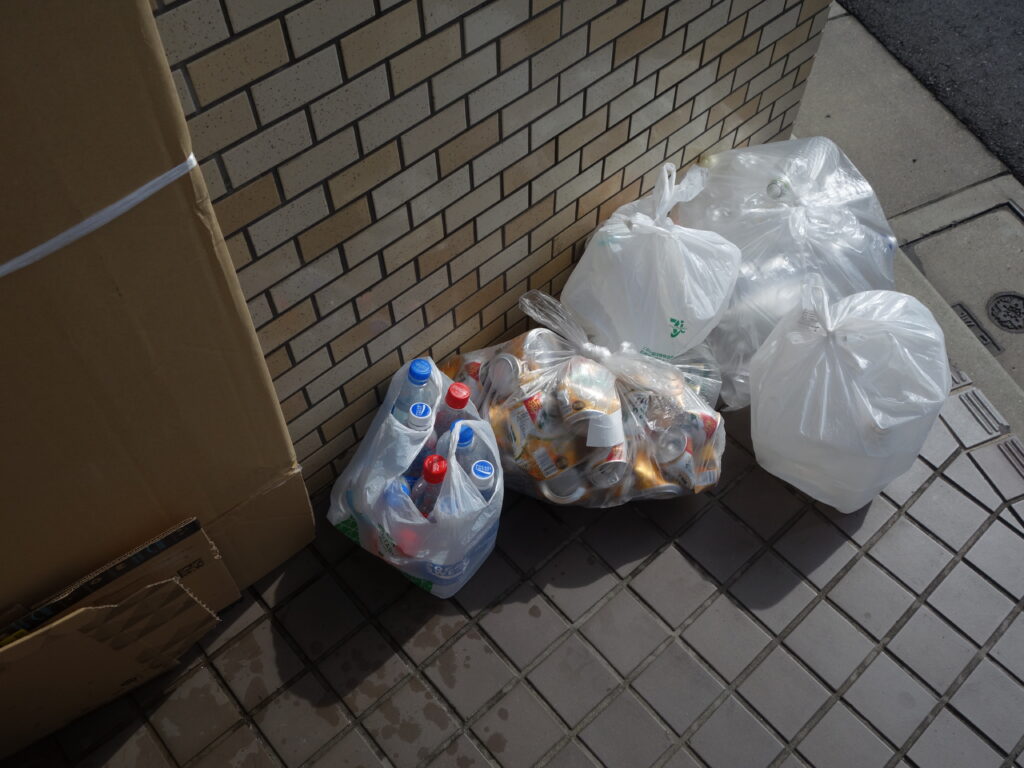
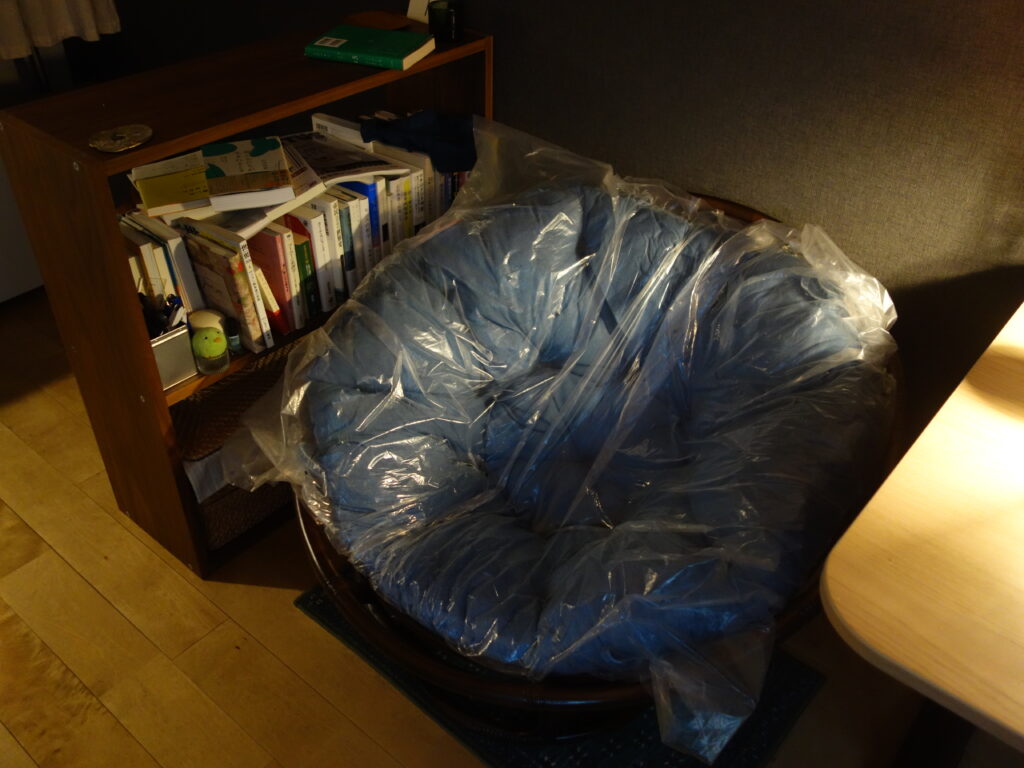
    夕方、ジモティでやり取りした人にビーズクッションを渡した。もともと置いてあった机の横に椅子を設置したため、置き場がなくなった。クッションを大きめのビニール袋に入れて、約束の時間に持っていくと、その人はテキストのイメージとはだいぶ離れた風貌だった。挨拶程度に言葉を交わして部屋に戻った。気を張っていたのだろうが、30分ほど回復に時間を要した。その人が自分のイメージしていた通りの人だったら、もっとかかっていたかもしれないと思う。

    昨日に比べれば遥に陽の差す時間が多かったはずだが、夕方になっても洗濯物は乾いていなかった。湿気のせいだ。夜は、冷蔵庫にあるものを適当に食べた。

    音楽制作を、長くやっていきたいと思う。必要最低限の機材を買ってからDTMを始めるまで、1~2年かかった。冗談みたいな助走の長さだったが、始めたことで半分は報われた。あとは続けることだ。写真も、自分が綺麗だと思うものを臆せずに撮るようにしていきたい。

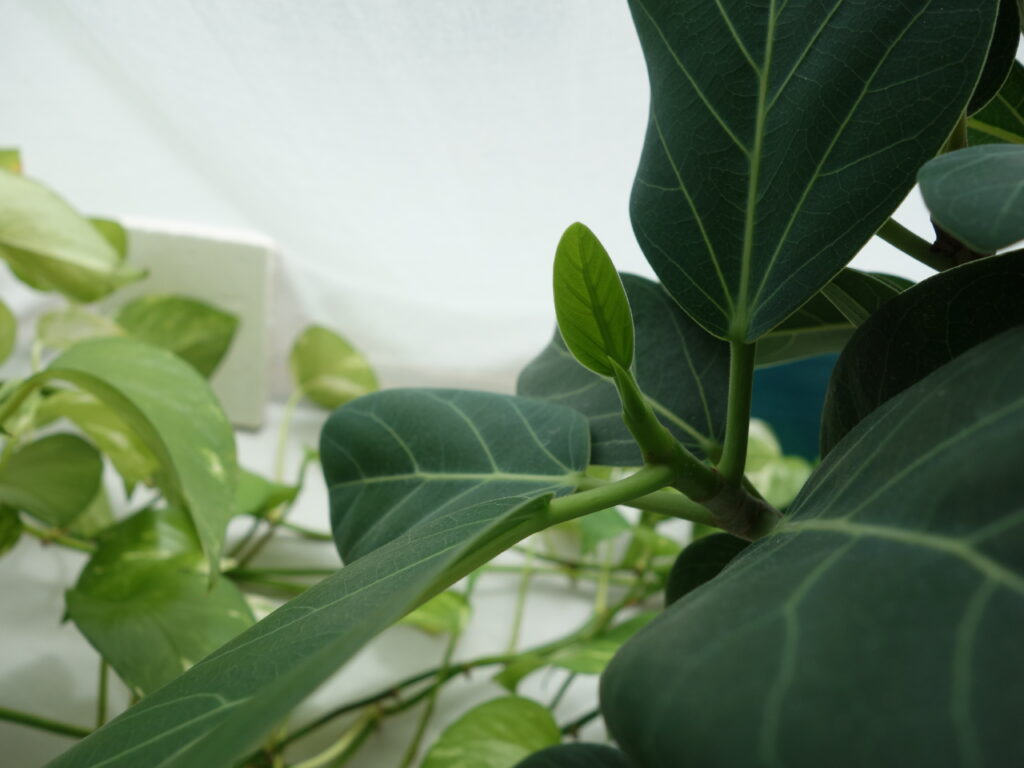
    フィカスの新しい葉が、また少し大きくなった。

    There were patches of blue sky in the morning, so I went out for a walk. After leaving the house, I remembered that I had meant to do some cleaning first, but I decided not to go back inside, as there was no knowing when it might start raining. The sunlight wasn’t scorching yet; it was simply warm. A gentle breeze stirred the plants and brushed coolly against my skin.

    As I walked, I came across a shrine. I’ve been living here for more than six months now, but until today I had no idea it was there. An old man was blowing away fallen leaves with a leaf blower. Eventually, I came out onto the road I use for my commute and made my way home.

    In the evening, I gave my beanbag to someone I’d been messaging on Jimoty, an online classifieds site. I’d put a chair beside the desk that was already in my room, which meant there was no longer anywhere to keep the beanbag. I placed it in a large plastic bag and took it to our meeting place at the agreed time. The person looked quite different from the image I’d formed of them through our messages. We exchanged a few words of greeting, and then I went back to my room.

    I must have been on edge, because it took me about half an hour to recover afterwards. I thought it might have taken even longer if they had turned out to be the person I’d imagined.

    There must have been far more sunshine than yesterday, but the washing still hadn’t dried by evening. It was the humidity. For dinner, I ate whatever I happened to have in the fridge.

    I’d like to keep making music for a long time. It took me a year or two to actually begin making music on my computer after buying the bare minimum of equipment. The length of that run-up was almost laughable, but simply getting started made it feel half worthwhile. Now I just need to keep going. With photography, too, I want to stop hesitating and take pictures of whatever I find beautiful.

    Another new leaf on my ficus has grown a little bigger.
  • 雨 | rainy day

    一日中雨。夕飯にはオムレツをつくった。例によってひっくり返すのに失敗したが、原因はそもそも成功させようとしていないことにあると思う。その気になればできるとは思うが、その気になる理由がない。

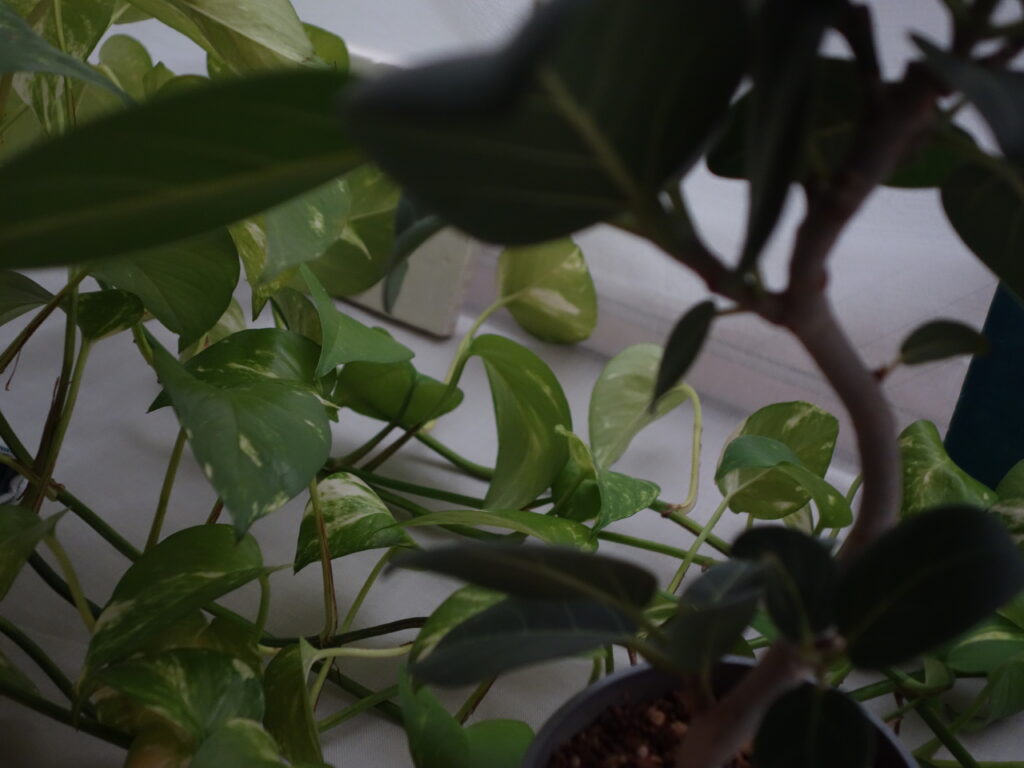
    フィカスの葉が少しずつ大きくなっている。休暇の間にどこまで伸びるかな。

  • 心を病む力 | capacity for recovery

    以前参加したイベントで教えてもらった本を読んだ。『心を病む力』という、まだ出版されて比較的間もない書籍で、環境に過剰適応した人が自分を取り戻すための手立てが、理論的にも実践的にも記されている。私は、至るところで過剰適応を繰り返してきた自覚がある。その結果、と言うと短絡的すぎるのかもしれないが、継続的な関係を築けたことはあまりなかった。その点に向き合うことも、意識するより前に避けてきた。

    本の中では、前から気になっていたもののまったく理解できていなかったポリヴェーガル理論がわかりやすく紹介されていて、そういうことだったのかと膝を打った。要するに、人の自律神経は背側迷走神経、交感神経、腹側迷走神経の3層で構成されており、これらは進化の過程で順々に身につけてきたものだということ;背側迷走神経は、命の危機を乗り切るためにエネルギー消費を最小限に抑えようとする機能、交感神経は、外的環境に働きかける機能、腹側交感神経は、所与のコミュニティや関係において安心・安全を感知する機能にあたる。たとえば鬱になると、身体が動かなくなったり、頭が働かなくなったりするわけだが、それは背側迷走神経の働きとみなせる。そう考えると、特に当事者にとって鬱は「何もできなくなってしまった」ネガティブな状態と捉えられがちだが、別の見方があることが分かる。つまり、それは身体が命の危機であると判断するほどに負担がかかっているということ、そしてその危機から身を守るため、生き物にもっとも馴染み深い、太古から受け継がれてきた防衛反応が働いているということ。何もしない、というのは、兎角怠惰だの甘えだのと早合点されてしまいがちだが、それは現代社会そのものが抱える大きな不安の現れであり、浅薄な誤解だ。何もできないのは、むしろ、身を守ることでどうにか生きのびようとする力の現れなのだと、著者は教えてくれる。書いてあった具体的な実践も、やってみようと思う。

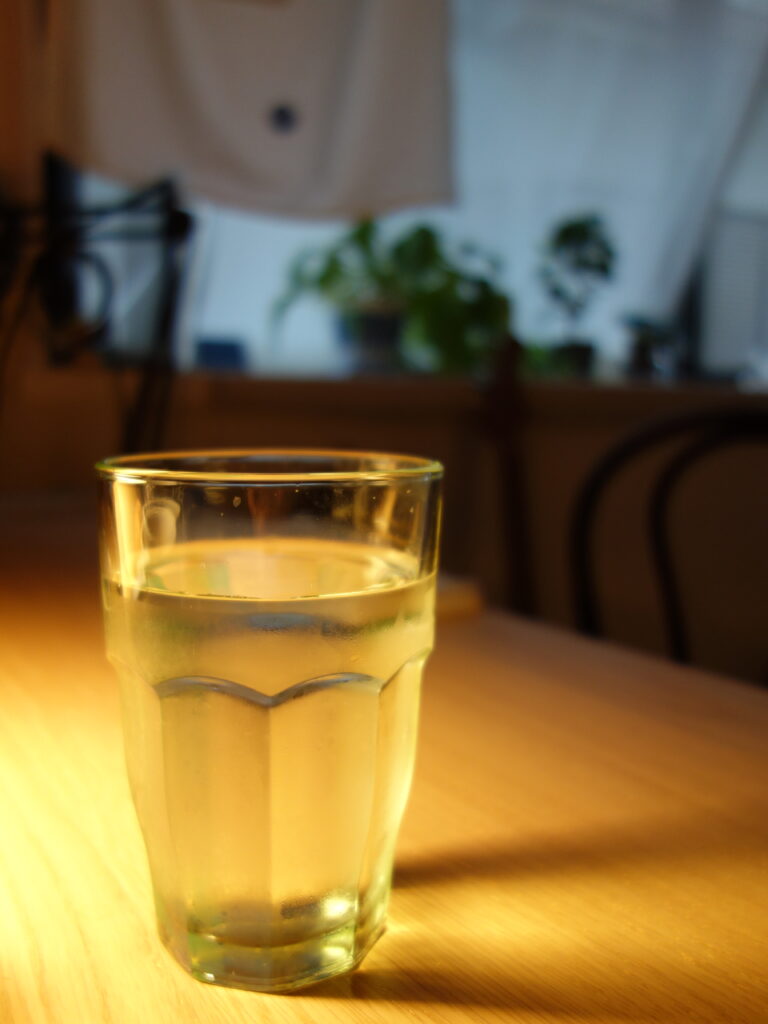
    ところで、夏休みに入ってから寝ている時間が長い。昨日はほぼ一日中寝ていたし、その上寝落ちして、今日も昼過ぎに椅子で気絶していた。眠る前は決まって脳がカーッと熱くなる。何が起こっているのか。よくわからないので、とりあえず水を飲んだり、窓を開けたりしている。

    I read a book that someone had recommended to me at an event I attended a while ago. It’s called Kokoro o Yamu Chikara (The Power to Become Mentally Unwell), and it was published fairly recently. It offers both a theoretical account and practical advice on how people who have adapted too much to their surroundings can begin to recover a sense of themselves. I’m aware that I’ve repeatedly over-adapted to all sorts of situations. It might be too simplistic to say this was the direct result, but I haven’t managed to build many lasting relationships. Even before I became conscious of it, I had been avoiding facing that fact.

    The book also gives an accessible introduction to polyvagal theory, something I’d been curious about for some time but had never understood at all. Reading it, I finally thought, “So that’s what it means.”

    Put simply, the theory says that the human autonomic nervous system consists of three layers: the dorsal vagal system, the sympathetic nervous system and the ventral vagal system. We acquired these one after another over the course of evolution. The dorsal vagal system works to minimise energy use so that we can survive threats to our lives. The sympathetic nervous system allows us to act upon our external environment. The ventral vagal system enables us to sense safety and security within a particular community or relationship.

    When someone becomes depressed, for example, they may find themselves physically unable to move or mentally unable to think. This can be understood as the dorsal vagal system at work. Depression is often seen, especially by the person experiencing it, as a wholly negative state in which they have become incapable of doing anything. But this theory offers another way of looking at it. It suggests that the body is under so much strain that it has judged the situation to be life-threatening — and that, to protect itself, it has activated one of the most ancient and deeply familiar defence responses available to a living creature.

    Doing nothing is all too quickly dismissed as laziness or self-indulgence. But that judgement reflects the deep anxiety embedded in modern society itself, and it rests on a shallow misunderstanding. The author teaches us that being unable to do anything may instead be an expression of our capacity to survive: the body is trying, somehow, to keep us alive by protecting itself. I’m planning to try some of the practical exercises described in the book as well.

    On another note, ever since my summer holiday began the day before yesterday, I’ve been sleeping an absurd amount. I spent almost the whole of that first day asleep, then accidentally nodded off again, and today I practically passed out in my chair in the early afternoon. Just before I fall asleep, my brain always feels as though it’s suddenly heating up. What on earth is going on? I have no idea, so for now I’ve just been drinking water and opening the windows.

  • 死ぬこと | on dying

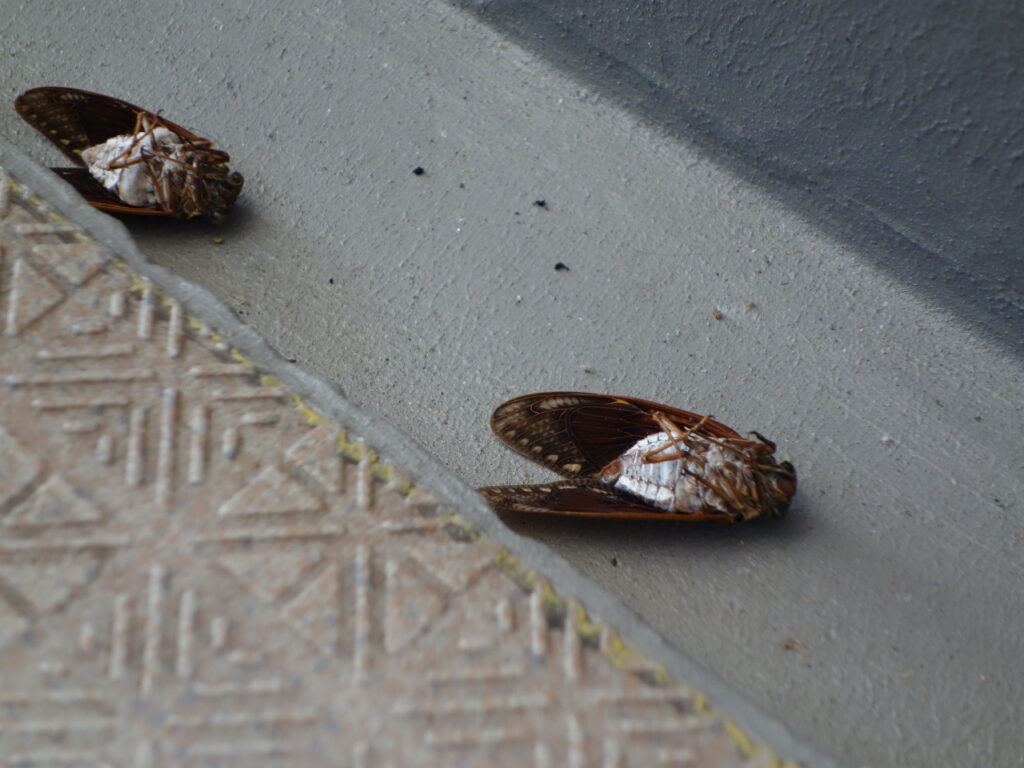
    家の前でセミとカナブンか何かが死んでいる。排水口の側で硬直したまま、数日が経った。一昨日の夜だったか、外からバタバタともがくセミの羽音が聞こえたから、この内一匹はそれかもしれない。仕事から帰ってきて一瞥する際は、動かないかどうかに最も注意が向いていた(ドアを開けた際にばたつかれると、うちの中にゴールインする可能性が高いから)が、昼食を摂ってぼうっとしていたところ、埋葬した方がいいんじゃないかと思った。下の階に入っている運送会社前の植木鉢に、後で移そうと思った。

    生きていて確かなことはほとんどないように思う。信じられないようなことも起こるし、信じられないような人も、おそらく想像するよりずっと多くいる。自分を信じることも難しい。気がつけば、生きていると言えるのか曖昧な感覚が身について、時間だけが無為に過ぎていくように感じる。だから時々、確かなことを一つ思い出す。それはいつか必ず死ぬこと。死んで、終わる。そう思うと、まだ終わっていない今、自分が間違いなく生きていることが逆照射される。死んでないなら、生きている。今ここに死ぬ前のすべてがある。

  • 新しい芽 | sprout

    フィカスから新しい葉が生えてきた。出てきたばかりの葉は色が薄く、とても柔らかくて、赤子のようだと思う。他の葉や茎にあたったままでいると、その形のまま固くなってしまうので、刃先に何もないか確認する。夏場は水やりの頻度を気持ちふやして、週に1~2回。元気に育ってほしいと思う。

    読書用に買った椅子が不良品だった。

    木のパーツを組む箇所の金具が外れており、棘が飛び出していた。多少の傷は見逃すつもりだったが、さすがに返品を求めてメールした。返事はまだない。交換されるまで、不良品のカバーを外さずに使うことにする。

    あと、水の入ったグラス。